
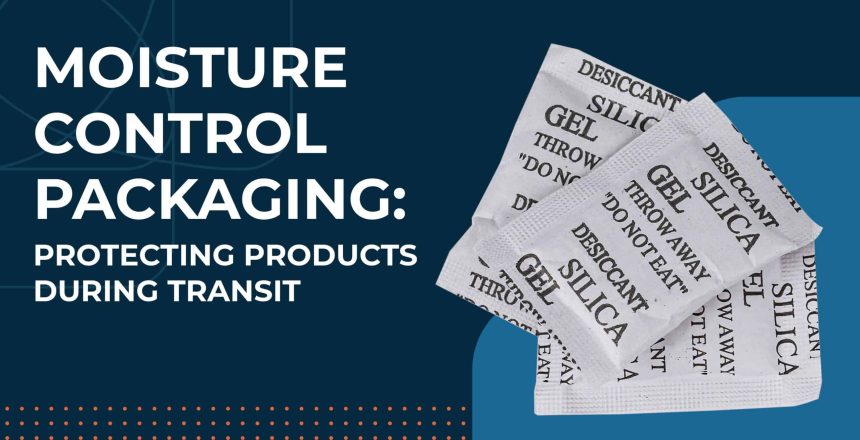
Moisture is one of the most significant threats to product integrity during storage and shipping. Even small amounts of humidity can lead to corrosion, mold growth, clumping and spoilage. These issues can result in revenue, damaged brand reputation and unnecessary waste. Whether you’re shipping food, pharmaceuticals or sensitive electrical components, effective moisture control packaging is essential. It helps ensure your products maintain their quality, stability, and safety so they can arrive at your customers in perfect condition.
At First Packaging Systems, we help businesses integrate the right solutions into their packaging strategies to minimize risks and maintain product quality.
Why Moisture Control Matters
The journey from the production floor to customer delivery exposes products to a wide range of environmental conditions. Products may pass through humid warehouses, undergo temperature swings during transit, or encounter outdoor elements that introduce moisture during loading and unloading. Without proper moisture protection, these fluctuations can quickly compromise the integrity and performance of sensitive goods.
Moisture-related issues include:
- Food and beverage spoilage caused by microbial growth, accelerated by excess moisture and improper environmental control
- Corrosion and rust on metal components and electronics lead to equipment failure or reduced product lifespan
- Clumping, caking, or loss of flowability in powders and dry goods when exposed to humidity
- Degradation and weakening of packaging materials, such as cardboard losing strength, structure, and protective integrity when damp
By addressing moisture risks at the packaging stage, companies can avoid costly product loss and maintain customer confidence.
Desiccants: The First Line of Defense
Desiccants are highly effective tools for absorbing excess moisture inside packages. Available in pouches, packets or canisters, desiccants draw humidity out of the air and away from products. Common types include:
- Silica gel: Widely used, versatile, and effective for many applications
- Clay desiccants: Cost-effective and well-suited for general moisture absorption
- Molecular sieves: Offer high performance for products requiring ultra-low humidity levels
Choosing the right desiccant depends on several factors, including the product sensitivity to moisture, the environmental conditions expected during transit and the volume of air inside the package.
Moisture-Barrier Films: Keeping Humidity Out
Packaging films play a critical role in blocking moisture from entering in the first place. High-barrier films, such as multi-layer laminates or metallized films, provide superior resistance to water vapor while also protecting against oxygen and light.
Applications range from shrink films for food items to heavy-duty liners for industrial products. When paired with desiccants, barrier films create a powerful defense system that extends shelf life and ensures product stability.
Sealing Techniques: Locking in Protection
Even the best materials won’t perform if packages aren’t properly sealed. Modern sealing techniques like heat sealing and vacuum sealing create airtight barriers that prevent moisture intrusion. Consistent, high-quality seals are critical to maintain the integrity of barrier films and ensure desiccants function effectively.
For high-speed operations, automated sealing equipment ensures repeatable performance and minimizes human error. Regular equipment maintenance and quality checks further guarantee that every package provides the intended level of protection.
Building a Moisture Control Strategy
Effective moisture protection requires a comprehensive approach. By combining desiccants, barrier films, sealing techniques and other proven strategies, you can tailor solutions to specific products and shipping environments. Additional considerations include:
- Monitoring transit conditions with humidity indicators or data loggers
- Optimizing package design to reduce air space inside containers
- Training staff on proper handling and sealing procedures
Working with an experienced partner like First Packaging Systems ensures that every factor—from material selection to equipment calibration—is aligned for maximum protection.
Protecting Your Products, Protecting Your Business
Moisture damage is preventable with the right packaging strategy. By investing in moisture control solutions, you can effectively safeguard product quality, reduce waste and strengthen customer trust.
At First Packaging Systems, we provide end-to-end expertise to help you select, test and implement packaging solutions that provide reliable moisture protection. Whether your products are traveling across town or across the globe, we ensure they arrive in the same condition they left your facility- protected, preserved, and ready for your customers.
Contact FPS today to discuss moisture control packaging solutions tailored to your operation.